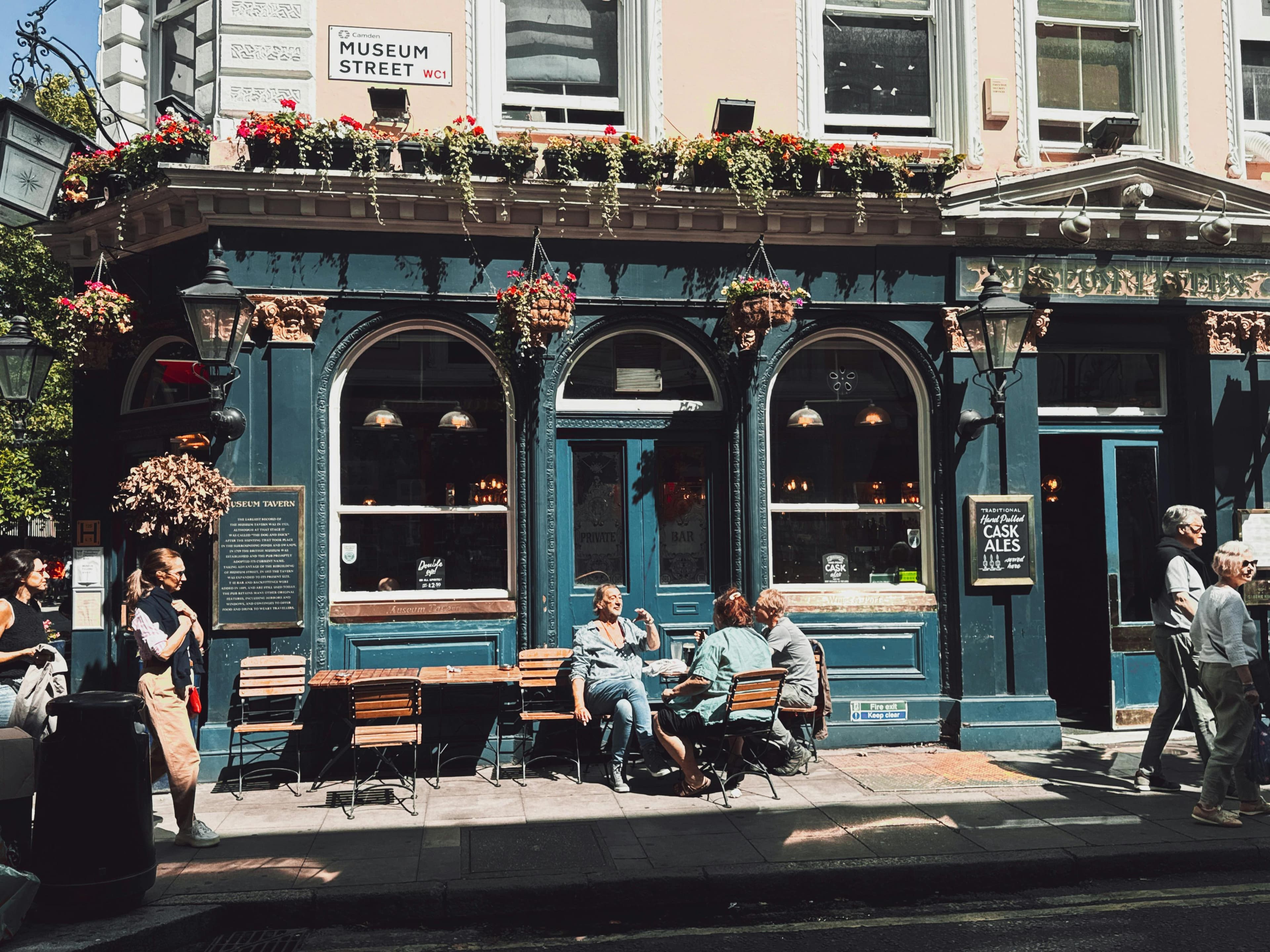
A premises licence is the council permission a specific building, room or open-air site needs before it can sell alcohol, put on regulated entertainment, or serve hot food and drink after 11pm. It is issued under the Licensing Act 2003, it belongs to the premises rather than to a person, and in England and Wales almost every pub, bar, restaurant, off-licence, hotel, music venue and late-night takeaway runs on one.
This guide explains what a premises licence actually allows, who has to apply for one, what it costs, how long it takes, when you are exempt, and how the licence works day to day once you have it. If you already know you need one and want someone to prepare the application for you, see our premises licence service.
Premises licence: the short definition
In legal terms, a premises licence is a licence granted by a licensing authority (your local council) under Part 3 of the Licensing Act 2003 that authorises the premises to be used for one or more licensable activities. The licence sets out which activities are allowed, during which hours, and under what conditions. It applies in England and Wales only. Scotland has its own system under the Licensing (Scotland) Act 2005 and Northern Ireland works through the courts.
The person or company named on it is the premises licence holder. The holder is responsible for making sure the activities on the premises stay within the licence and that the four licensing objectives are upheld: preventing crime and disorder, public safety, preventing public nuisance, and protecting children from harm.
What does a premises licence allow to take place?
The Act defines four licensable activities. A premises licence can cover any combination of them, and you only apply for the ones your business actually needs.
Sale of alcohol by retail
Selling alcohol to the public, whether to drink on the premises (a pub or restaurant) or to take away (a shop, off-licence or online retailer dispatching from the premises).
Supply of alcohol by a club
Supplying alcohol to members and guests of a qualifying members' club. Most clubs use a club premises certificate instead, but a premises licence is also an option.
Regulated entertainment
Plays, films, indoor sporting events, boxing or wrestling, live music, recorded music and performances of dance when they are put on for an audience. Several of these are now deregulated between 8am and 11pm (see exemptions below).
Late night refreshment
Supplying hot food or hot drink to the public between 11pm and 5am, whether eaten in or taken away. A kebab shop open until 2am needs this. A café that shuts at 10pm does not.
Each permitted activity is listed on the licence with its own hours. Your opening hours are also recorded, but the council controls when you may carry out licensable activities, not when your doors are open. For a practical walk-through of choosing alcohol hours, late food and music, read our guide to licensable activities.
Do I need a premises licence?
Work through the questions below. If you answer yes to any of them, and no exemption applies, you need a premises licence before trading.
Will you sell or supply alcohol, even a single glass of wine with a meal?
Yes: you need a premises licence (or a club premises certificate for a members' club). There is no small-quantity exemption for alcohol.
Will you serve hot food or hot drink to the public between 11pm and 5am?
Yes: you need late night refreshment on a premises licence, unless a specific exemption applies (for example, a hotel serving its own guests, or a vending machine).
Will you host live or recorded music, dancing, plays or films for an audience after 11pm, or for more than 500 people?
Yes: you need regulated entertainment on a premises licence. Music between 8am and 11pm for up to 500 people in a venue that already sells alcohol is usually exempt.
Is it a one-off or occasional event for fewer than 500 people lasting under 168 hours?
No premises licence needed: a Temporary Event Notice (TEN) covers it, subject to the annual limits on how many TENs you may give.
Are you only serving alcohol-free drinks, closing the kitchen by 11pm and playing background music?
No premises licence needed. Incidental background music and food before 11pm are not licensable.
A new Italian restaurant wants to serve wine and beer with meals until 11pm and closes by midnight.
A coffee shop that opens 7am to 6pm, sells no alcohol and plays the radio.
A fried chicken takeaway with no alcohol, open until 3am on Fridays and Saturdays.
A village hall holding a wedding reception with a paid bar for 150 guests.
Not sure which activities to apply for?
Answer a short set of questions about your business and Barnab prepares the full application pack, plan checklist and advertising notices for your council. £300 + VAT, with a 100% approval record.
Start my applicationWho can apply for a premises licence?
The Licensing Act lists who may hold a premises licence. In practice the applicant is usually the business operator, because the licence should sit with whoever controls what happens on the premises.
- Any individual aged 18 or over who carries on, or proposes to carry on, a business involving licensable activities at the premises. Individuals must have the right to work in the UK and prove it with the application.
- A company, partnership or other body that carries on such a business, such as a limited company running a bar.
- A recognised club, a charity, an educational institution, a hospital or health body, or a local authority.
- The police, and certain other public bodies, for their own premises.
If alcohol will be sold, the application must also name a Designated Premises Supervisor (DPS). The DPS is the individual in day-to-day charge of alcohol sales, and they must hold a personal licence. The premises licence holder and the DPS can be the same person, but they do not have to be. The difference between the two licences is explained in our personal vs premises licence guide.
How much does a premises licence cost?
Application and annual fees are fixed nationally by regulations and are based on the non-domestic rateable value (NDRV) of the premises, which you can look up on the Valuation Office Agency website. Councils cannot charge VAT on these fees.
| Band | Rateable value | Application fee | Annual fee |
|---|---|---|---|
| A | No rateable value to £4,300 | £100 | £70 |
| B | £4,301 to £33,000 | £190 | £180 |
| C | £33,001 to £87,000 | £315 | £295 |
| D | £87,001 to £125,000 | £450 (£900 if alcohol-led) | £320 (£640 if alcohol-led) |
| E | £125,001 and above | £635 (£1,905 if alcohol-led) | £350 (£1,050 if alcohol-led) |
"Alcohol-led" means the premises are used exclusively or primarily for the sale of alcohol for consumption on the premises, such as a pub or nightclub. Restaurants and shops pay the standard rate. Premises with no rateable value yet (for example a brand-new unit) fall into band A. Very large events for 5,000 or more people attract an additional fee.
On top of the council fee, budget for a scale plan of the premises if you do not already have one, the statutory newspaper advertisement (typically £150 to £400 depending on the paper), and any professional help with the application. A personal licence for your DPS is a separate £37 council fee plus the cost of the accredited training course.
How to apply for a premises licence
You apply to the licensing authority for the council area where the premises are located. Most councils accept applications through their online portal or through GOV.UK. The sequence is the same everywhere in England and Wales.
- 1
Prepare the operating schedule
This is the heart of the application: which licensable activities you want, the hours for each, your opening hours, and the steps you will take to promote the four licensing objectives (CCTV, staff training, Challenge 25, noise management and so on). What you write here becomes conditions on your licence.
- 2
Draw up a plan of the premises
A plan at a scale of 1:100 (unless the council agrees otherwise) showing the boundary, entrances and exits, fixed structures, the area where licensable activities take place, fire safety equipment and the kitchen.
- 3
Get DPS consent and right-to-work evidence
If alcohol is included, your proposed Designated Premises Supervisor signs a consent form and must hold a personal licence. Individual applicants provide proof of their right to work in the UK.
- 4
Submit the application and pay the fee
File the form, plan, consent and fee with the council. If you apply by post you must send copies to each responsible authority yourself; if you apply online the council does this for you.
- 5
Advertise for 28 days
Display a notice (usually on pale blue paper) on the outside of the premises for 28 consecutive days starting the day after submission, and publish a notice in a local newspaper within 10 working days. Get the wording or dates wrong and the application has to restart.
- 6
Consultation and decision
Responsible authorities and local residents have the 28-day period to make representations. No representations means the council must grant the licence as applied for. Representations mean a hearing, unless you agree conditions with the objector first.
We have written separate guides on what happens after you submit the application and on how to prepare for a licensing hearing if objections come in.
How long does a premises licence take?
The statutory consultation is 28 days from the day after the council receives a valid application. If there are no representations the licence is granted straight after that. If there are, the council must hold a hearing within 20 working days of the consultation ending, and may then take up to five working days to issue its decision. In practice:
- Uncontested application: around four to six weeks from submission to licence in hand, depending on how quickly the council processes paperwork.
- Contested application that goes to a hearing: typically eight to twelve weeks.
- Applications in a cumulative impact area, or with police representations, can take longer and may need negotiated conditions. See our guide to cumulative impact zones.
If you need to trade before the licence is granted, a Temporary Event Notice can cover alcohol sales for up to 21 days at a time while you wait. Our guide to Temporary Event Notices explains the limits.
How long does a premises licence last?
Indefinitely. Unlike a Temporary Event Notice or a personal licence (which used to expire after ten years), a premises licence has no end date unless the applicant asked for one. It stays in force as long as:
- The annual fee is paid on the anniversary of the grant. If it is not paid, the council suspends the licence until payment is made.
- It is not revoked or suspended following a review brought by the police, another responsible authority or a local resident.
- It is not surrendered by the holder.
- The holder does not die, become insolvent or (for a company) be dissolved. If that happens the licence lapses, but it can be reinstated within 28 days by a transfer application or an interim authority notice.
Because the licence belongs to the premises, it does not end when the business is sold. The new operator applies to transfer the licence into their name, usually with the outgoing holder's consent, and keeps all the existing hours and conditions.
What is on a premises licence?
The council issues the licence in two parts. Part A is the full licence and must be kept at the premises. Part B is a one-page summary that must be displayed where customers can see it. Together they record:
- The premises address and a plan of the licensed area.
- The licence holder and, where alcohol is sold, the Designated Premises Supervisor.
- Each licensable activity authorised, with the permitted hours for each day of the week.
- Opening hours.
- Mandatory conditions set by law, such as age-verification checks, free tap water, no irresponsible drinks promotions and the availability of small measures.
- Conditions drawn from your operating schedule or agreed at a hearing, such as CCTV, door staff after a certain hour or noise limits.
Trading outside your hours or breaching a condition is a criminal offence for the holder and can lead to a review, fines or closure, which is why many operators keep a compliance file and run periodic condition checks. Barnab offers a ready-made premises licence compliance pack for exactly this.
Exemptions: when you do not need a premises licence
Temporary Event Notices
A TEN authorises licensable activities for a single event of fewer than 500 people lasting up to 168 hours (seven days). Personal licence holders may give up to 50 TENs a year, other people up to 5, and any one premises can have up to 15 TENs covering a maximum of 21 days per calendar year.
Club premises certificates
A qualifying members' club (a sports club, working men's club or similar) supplying alcohol only to members and their guests can hold a club premises certificate instead of a premises licence. There is no DPS requirement and the police have no automatic right of entry.
Deregulated entertainment
Between 8am and 11pm, for audiences of up to 500 people, the following are not licensable: unamplified live music anywhere; amplified live music and recorded music on premises licensed for alcohol; plays and dance for audiences up to 500; indoor sport for up to 1,000; and incidental music at any time. Films shown in community premises and not-for-profit settings also benefit from exemptions.
Late night refreshment exemptions
Hot food or drink supplied to hotel guests, to members of a club, to employees, from a vending machine, or free of charge is not licensable. Some councils have also exempted particular areas or types of premises from late night refreshment licensing using powers added in 2015.
Other exemptions
Licensable activities aboard aircraft, hovercraft and trains, at approved wharves and ports, at registered garages' motorway service areas for alcohol, and at certain religious services are outside the Act.
Premises licence vs personal licence
| Premises licence | Personal licence | |
|---|---|---|
| Attached to | A place (building, unit, site) | An individual |
| Allows | Alcohol sales, entertainment and late night food at that place | The holder to make or authorise alcohol sales at any licensed premises |
| Who needs it | Any venue carrying out licensable activities | The DPS, and anyone who authorises alcohol sales |
| Issued by | Council where the premises are | Council where the applicant lives |
| Duration | Indefinite, annual fee | Indefinite (no renewal since 2015) |
| Statutory fee | £100 to £1,905 by rateable value | £37 |
Most new venues that sell alcohol need both: the premises licence for the venue, and a personal licence for the person who will act as DPS. Barnab can arrange both together through its combined alcohol licence package.
Frequently asked questions
Who are premises licence applications submitted to?
To the licensing authority, which is the district, borough or unitary council for the area where the premises sit. In London that is the relevant London borough or the City of London. Copies go to the responsible authorities: the police, the fire and rescue authority, environmental health, planning, trading standards, the child protection body, health and safety, the local director of public health, and Home Office Immigration Enforcement.
Can a premises licence be refused?
Only if relevant representations are made and, after a hearing, the licensing committee decides that refusal (or conditions, or reduced hours) is appropriate to promote the licensing objectives. With no representations the council has no power to refuse. In a cumulative impact area the burden shifts to the applicant to show the venue will not add to existing problems.
Does the premises licence holder have to be on the premises?
No. Neither the holder nor the DPS has to be physically present for every sale. Every sale of alcohol must, however, be made or authorised by a personal licence holder, and the DPS is expected to be in day-to-day control, so most venues give written authorisation to trained staff.
Can I sell alcohol online or deliver it from my premises?
Yes, provided the premises where the order is accepted and the alcohol is dispatched from hold a premises licence for off-sales. The sale is treated as taking place where the alcohol is appropriated to the contract, which is normally your stockroom or shop, not the customer's doorstep.
Do I need planning permission as well?
Licensing and planning are separate regimes. A premises licence does not override planning restrictions on the use of the building or its hours, so check the planning position (and any lease restrictions) before applying.
What is a premises licence in Scotland?
Scotland uses the same name but a different law, the Licensing (Scotland) Act 2005, administered by licensing boards. The application form, fees, operating plan and mandatory conditions all differ from England and Wales, and this guide does not apply there.
Ready to apply?
Barnab prepares your operating schedule, checks your plan, drafts the blue notice and newspaper advert, and submits to your council. Fixed fee of £300 + VAT, and most licences are granted in four to five weeks.
Apply for a premises licence